
 Materials and composites > Radiation Shielding for COTS Space Electronics
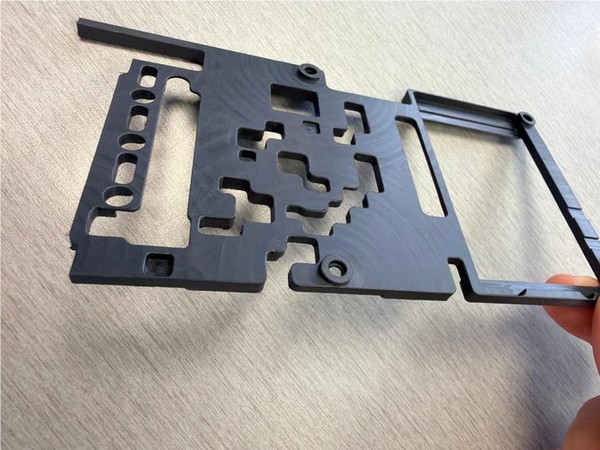
Key highlights
- Designed for modern COTS electronics including GPUs, FPGAs, SSDs, sensors, and onboard processing systems
- Supports shielding at chip, board, enclosure, and subsystem levels
- Lightweight hydrogen-rich shielding architecture optimized for mass-constrained spacecraft
- Flight heritage on commercial satellite missions and onboard compute platforms
- Applicable to AI processing, edge compute, payload electronics, and high-speed data handling systems
- Compatible with integrated aluminum shielding enclosure architectures
- Manufactured in standardized and mission-specific geometries for spacecraft integration
- Developed for sub-orbital, VLEO, LEO, MEO, GEO, cislunar, lunar, and crewed space environments
Applications
Radiation Shielding for COTS Space Electronics is designed to help enable reliable operation of modern commercial electronics in space radiation environments. The solution supports high-performance onboard compute architectures including GPUs, FPGAs, SSDs, cameras, sensors, payload processors, and AI-enabled spacecraft systems that are increasingly susceptible to radiation-driven intermittent faults and Single Event Effects (SEEs).
Applications include onboard AI and edge processing, optical payloads, Earth observation systems, data handling electronics, autonomous spacecraft systems, VPX-based processing architectures, and commercial satellite platforms leveraging modern COTS components.
Shielding implementations utilizing Plasteel® technology can be applied at the chip, board, enclosure, or subsystem level, including integrated aluminum enclosure architectures for spacecraft and payload electronics.
Key features
High-Performance Shielding for Modern Space Compute
CSC’s shielding solutions are designed specifically for the challenges associated with modern high-performance COTS electronics operating in radiation environments. As commercial processors continue increasing in computational capability and transistor density, spacecraft electronics become increasingly susceptible to intermittent radiation-driven faults and SEE-related disruptions.
The architecture combines lightweight hydrogen-rich shielding materials with configurable enclosure and subsystem integration approaches intended to reduce radiation exposure while minimizing mass impact on spacecraft systems.
Solutions support:
- GPUs and AI accelerators
- FPGA processing systems
- NVMe and NAND flash storage
- Optical payload electronics
- VPX and modular compute systems
- High-speed onboard processing architectures
- Sensor and camera electronics
CSC supports both standalone shielding implementations and integrated enclosure-level solutions utilizing Plasteel® technology for spacecraft and payload developers.
Customization
Shielding solutions can be customized for mission environment, geometry, mass constraints, integration requirements, and electronic architecture. CSC supports shielding implementations ranging from localized component-level protection to integrated subsystem and enclosure solutions.
Available configurations include:
- CNC-machined shielding components
- Custom panel geometries
- VPX-compatible architectures
- Integrated aluminum shielding enclosures
- Sensor and optical payload shielding
- Mission-specific thickness optimization
- Low-outgassing material configurations
Both prototype and production configurations are supported.
Flight heritage
TRL 9. CSC shielding technologies incorporating Plasteel® materials have flown on commercial satellite missions supporting onboard compute, optical payload, and electronic subsystem applications. Flight heritage includes deployments associated with commercial spacecraft and high-performance onboard processing architectures operating in LEO environments.
Applications have included compute modules, camera backplanes, payload electronics, and subsystem-level shielding implementations.
Manufacturing
CSC manufactures shielding solutions using proprietary hydrogen-rich shielding architectures designed for integration into modern spacecraft systems. Solutions are produced using scalable machining and subsystem integration processes supporting both prototype and production quantities.
Manufacturing approaches support:
- CNC-machined shielding components
- Subsystem integration
- Enclosure-level implementations
- Precision geometries for payload electronics
- Lightweight spacecraft architectures
- Mission-specific customization
Testing & qualification
CSC shielding technologies incorporating Plasteel® materials have undergone radiation evaluation across multiple proton, neutron, and heavy-ion test environments relevant to modern spacecraft electronics applications.
Testing and material characterization activities have included:
- Proton radiation environments
- Heavy ion SEE-focused evaluations
- Neutron attenuation characterization
- Intermittent fault and SEE mitigation studies
- Low-outgassing material qualification approaches
Material systems are compatible with spacecraft integration requirements including NASA/ASTM low-outgassing considerations.
Export control
EAR
Customers
Publicly referenced mission and ecosystem relationships include:
- Aethero
- TRL11
- Quantum Space
- Various additional commercial spacecraft and payload customers
Disclaimer: satsearch is not responsible for any mistakes on this page, although we do our best to ensure correctness. Please report any mistakes to us.
Last updated: 2026-05-15

Technical specs
Export

