
 Microsat platforms > FRAME L – ESPA-Class Microsatellite Bus
Key highlights
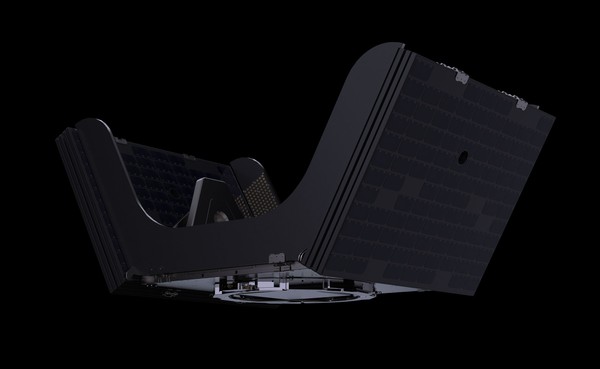
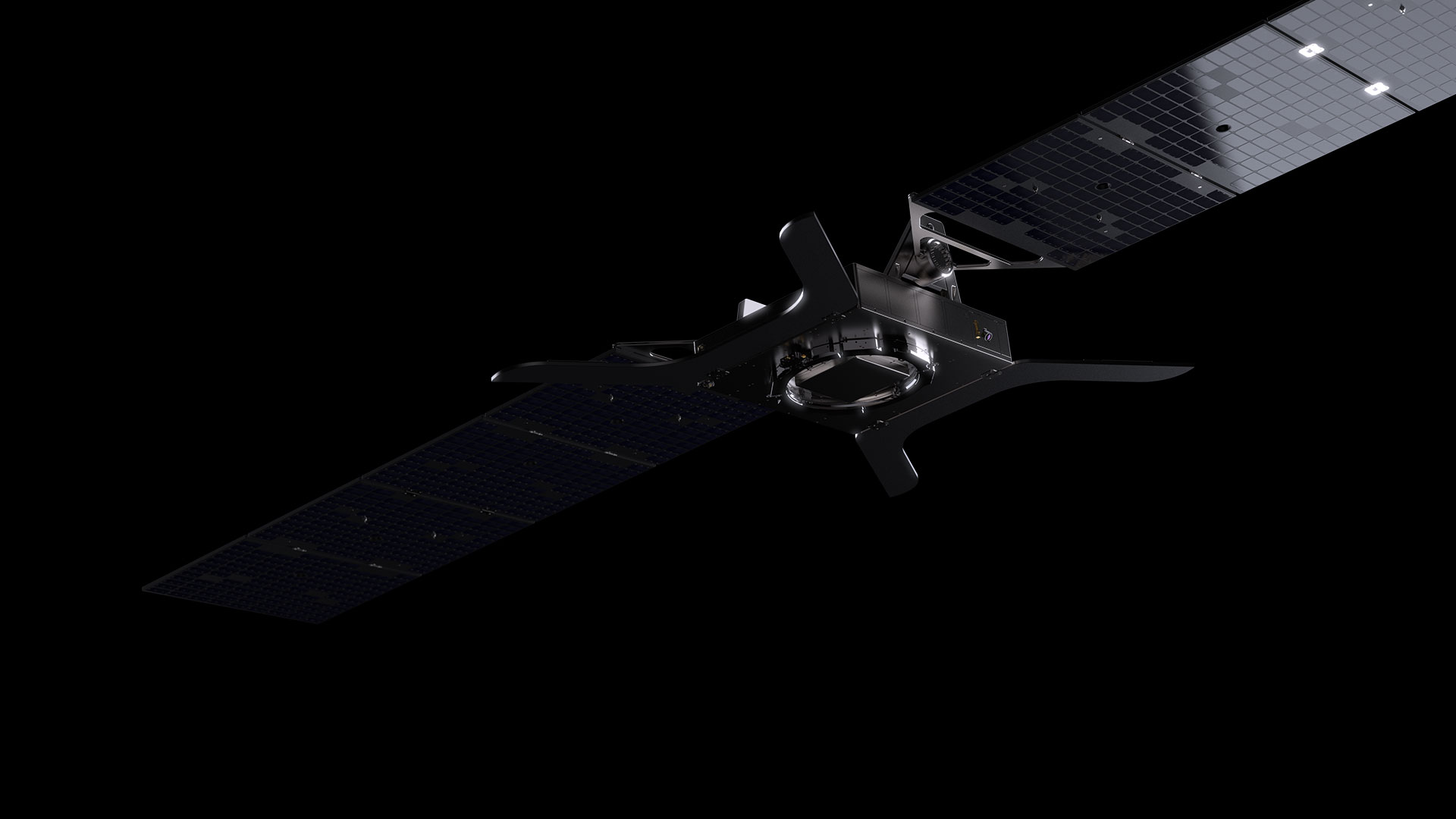
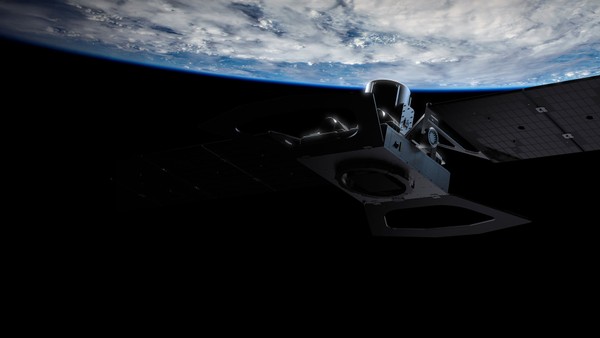
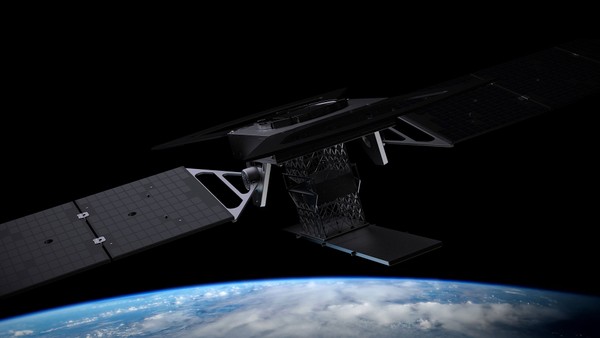
FRAME L is EnduroSat's 24-inch ESPA-class microsatellite platform, built to carry demanding payloads of up to 300 kg in a payload envelope of at least 1 x 1 x 1 m (sized for the SpaceX full plate XL). The satellite bus targets payload classes that drive today's commercial smallsat market – synthetic aperture radar (SAR), hyperspectral imagers (HSI), very-high-resolution (VHR) optical instruments and high-throughput satellite (HTS) communications payloads.
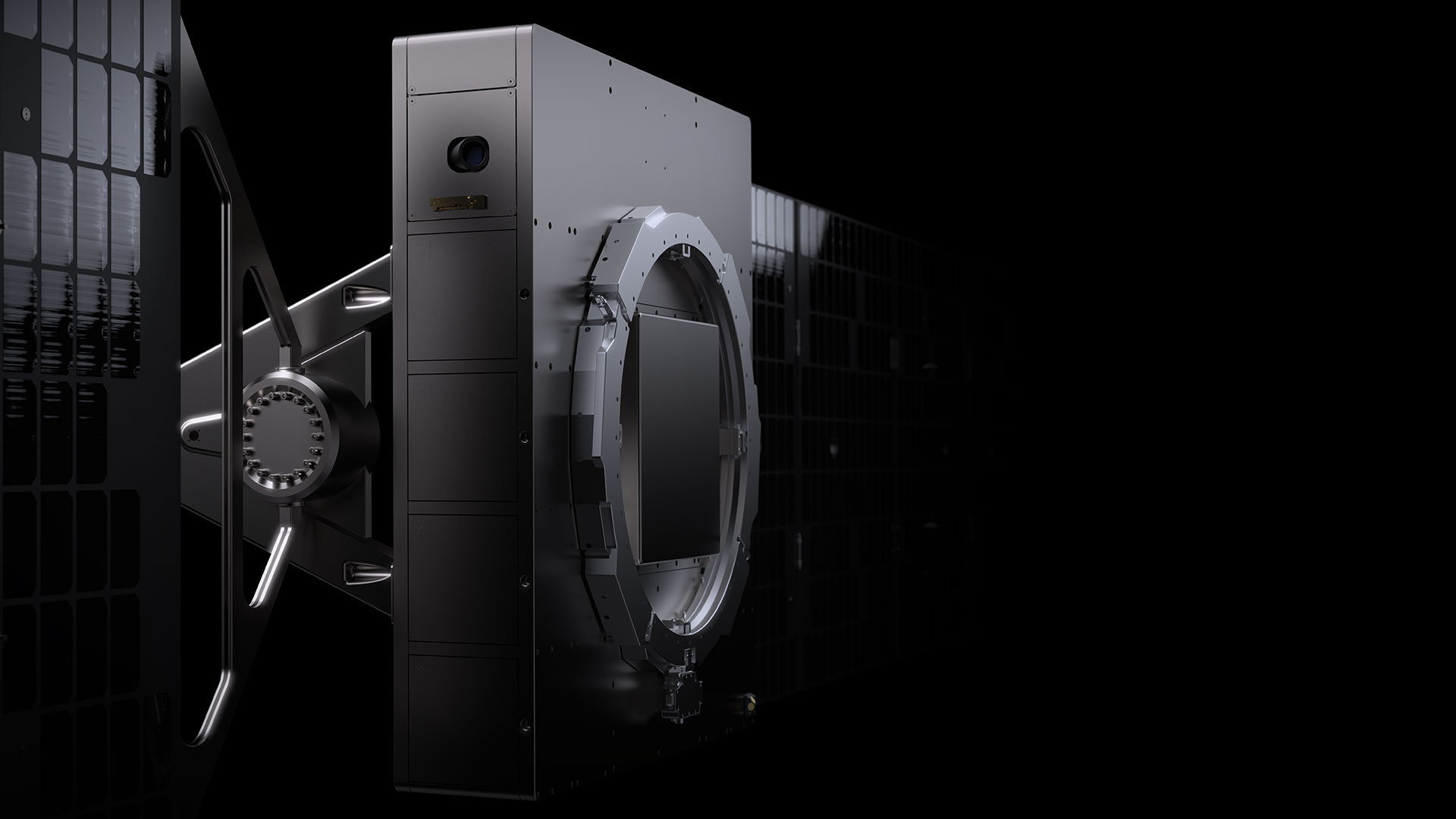
The microsatellite bus is architected for speed and serviceability: a universal avionics assembly, a cableless internal design and plug-and-play payload integration shorten assembly and test campaigns, while the spacecraft remains reconfigurable even after AIT and is designed for in-orbit servicing. Power is sized for serious instruments, with up to 2.7 kW peak input and roughly 1 kW of average payload power (LTAN-dependent), delivered over 28 V regulated or 30–50 V unregulated buses, with additional PPCU-regulated rails on request.
On the data side, the platform offers up to 4 Gbps gross payload data rate over 100G Ethernet, SpaceWire and SpaceFibre interfaces, with ground-segment standardization for KSAT, Leaf Space and AWS GSaaS networks. Nadir pointing accuracy better than 0.06 degrees (3-sigma) and pointing knowledge better than 0.007 degrees support precision Earth observation, and a configuration-dependent delta-V budget of 400–1,000 m/s covers orbit raising, constellation phasing and end-of-life disposal. Deliveries include EnduroSat's SpaceDev environment, an SDK and engineering support.
Applications
- Synthetic Aperture Radar (SAR) missions
- Hyperspectral imaging (HSI) constellations
- Very-high-resolution (VHR) optical Earth observation
- High-throughput satellite (HTS) communications
- Responsive-space and serially produced constellation programs
Key features
ESPA-class chassis:
24-inch ESPA-class microsatellite with 200–250 kg bus mass, configuration dependent.
300 kg payload capacity:
Up to 300 kg available payload mass within an envelope of at least 1 x 1 x 1 m (SpaceX full plate XL).
High payload power:
Up to 1.6 kW peak input power and ~1 kW average payload power, LTAN-dependent.
Flexible power delivery:
123 A @ 28 V regulated or 215 A @ 30–50 V unregulated; PPCU rails at 3.3 V, 5 V, 12 V and other values up to 30 V on request.
Precision pointing:
<0.06 deg (3-sigma) nadir pointing accuracy and <0.007 deg (3-sigma) pointing knowledge.
High-speed data handling:
Up to 4 Gbps gross payload data rate via 100G Ethernet, SpaceWire and SpaceFibre interfaces.
Propulsion:
400–1,000 m/s delta-V capacity, configuration dependent.
Cableless, modular design:
Universal avionics assembly with plug-and-play payload integration; reconfigurable even post-AIT.
In-orbit serviceability:
Bus architecture designed for in-orbit servicing.
Secure communications:
Military-grade encryption.
Ground segment ready:
Standardized for KSAT, Leaf Space and AWS GSaaS networks.
Software toolchain:
Delivered with SpaceDev (1-year subscription) and a Software Development Kit for development, configuration and test.
Disclaimer: satsearch is not responsible for any mistakes on this page, although we do our best to ensure correctness. Please report any mistakes to us.
Last updated: 2026-08-06

FRAME L – ESPA-Class Microsatellite Bus
Export

