
 Satellites and subsystems > Thermal control equipment > Multi-layer insulation (MLI) solutions > Perforated Aluminized Kapton Film
Key highlights
This product is ideal for medium-to-long duration missions with an operating temperature range of -269°C to 290°C.
Applications
- Internal MLI Layers
- Outer MLI Layer
- Flexible Optical Solar Reflector
Key features
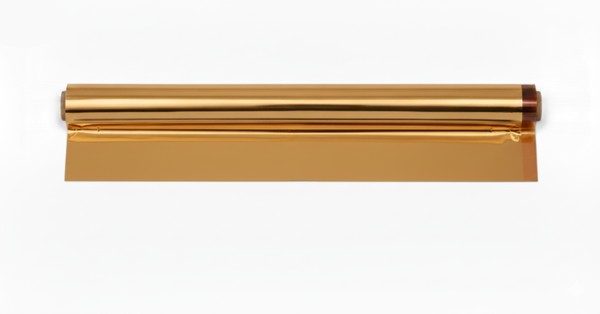
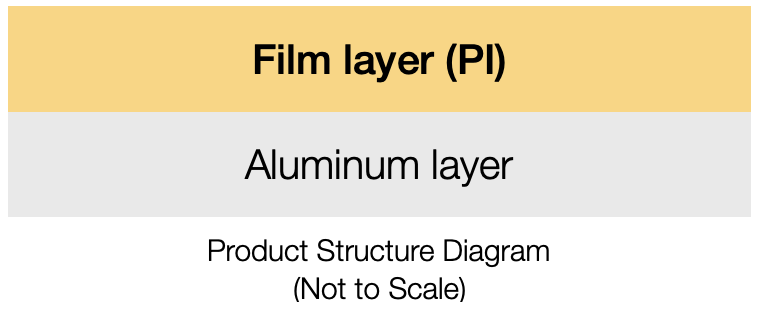
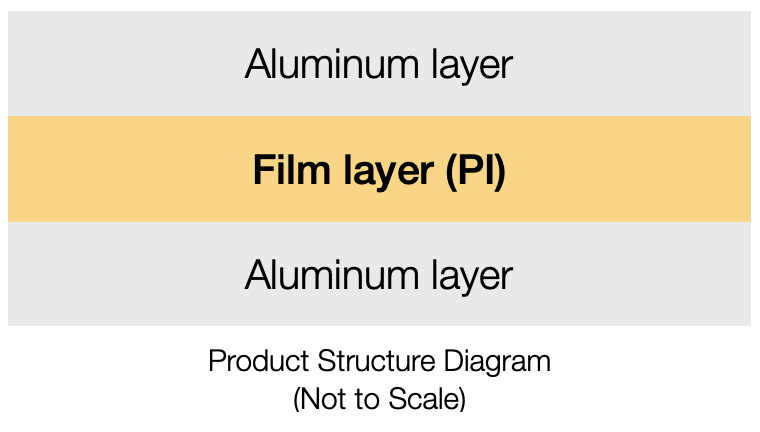
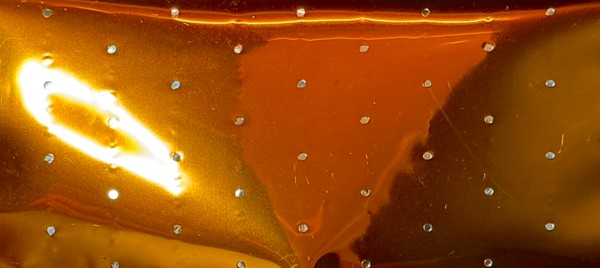
This product is perforated to provide venting paths during launch and ascent. Aluminum can be single-sided or double-sided. Conductive ITO coating is optional.
Customization
Film thickness is available in 1 and 2 mil. Maximum film width is 46 inches.
Manufacturing
Magnetron sputtering is one of the most widely used techniques for producing thin-film coatings. In this process, a dense plasma confined within a magnetic field generates a stable flux of sputtered aluminum atoms that deposit onto the Kapton® substrate. The resulting thin aluminum layer condenses uniformly on the Kapton®, providing a reliable, high-quality Aluminized Kapton® film.
Testing & qualification
This product meets NASA requirements for low thermal vacuum outgassing (ASTM E-595) where TML <1.0% and CVCM <0.1%.
Disclaimer: satsearch is not responsible for any mistakes on this page, although we do our best to ensure correctness. Please report any mistakes to us.
Last updated: 2026-07-04
Perforated Aluminized Kapton Film
Export

