
 Launch services > Launch service

Key highlights
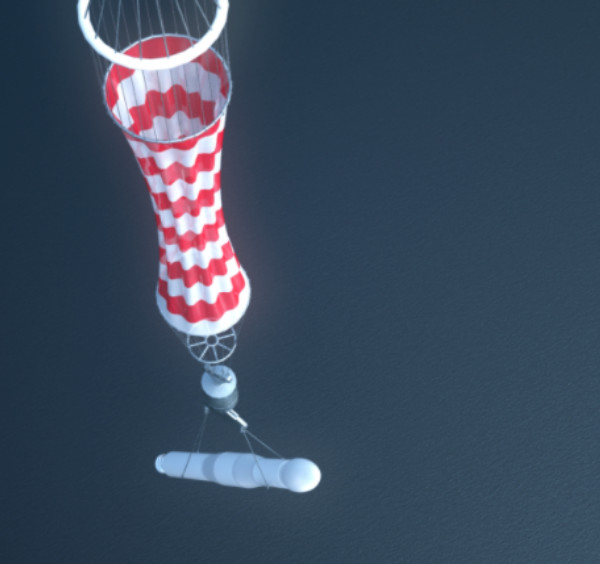
B2Space offers launch solutions for small and micro-satellites based on stratospheric balloons. A stratospheric balloon platform lifts the rocket to 35 km of altitude, above 99.9% of the atmosphere. Gaining altitude with the balloon means skipping the highest density part of the atmosphere (at that altitude, the density is 0.01 % of the density at sea level).
Optimized vehicle design allows for potentially 70% less propellant use and 80% cost savings. Moreover, launching from near-vacuum conditions means that there is no need for high inclination trajectories at the beginning of the launch as for conventional ground launchers, which is needed to quickly reach lower density parts of the atmosphere.
The use of technologies such as generative design, additive layer manufacturing, autonomous systems, advanced materials helps to drive further efficiency and cost reduction.
Main benefits:
- ΔV loss due to aerodynamic drag is reduced more than 95%
- Negligible vibro-acoustic and aerodynamic loads, therefore lighter structures can be used
- Increased payload to total weight ratio
Disclaimer: satsearch is not responsible for any mistakes on this page, although we do our best to ensure correctness. Please report any mistakes to us.
Last updated: 2023-05-06
Launch service
Export

