
 Launch services > Near Space Testing
Key highlights
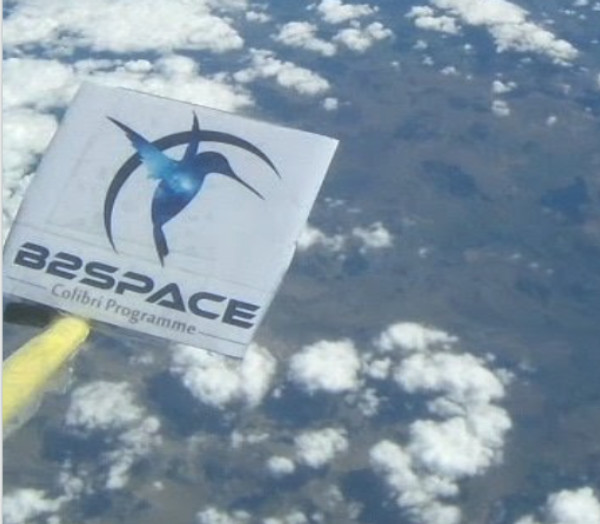
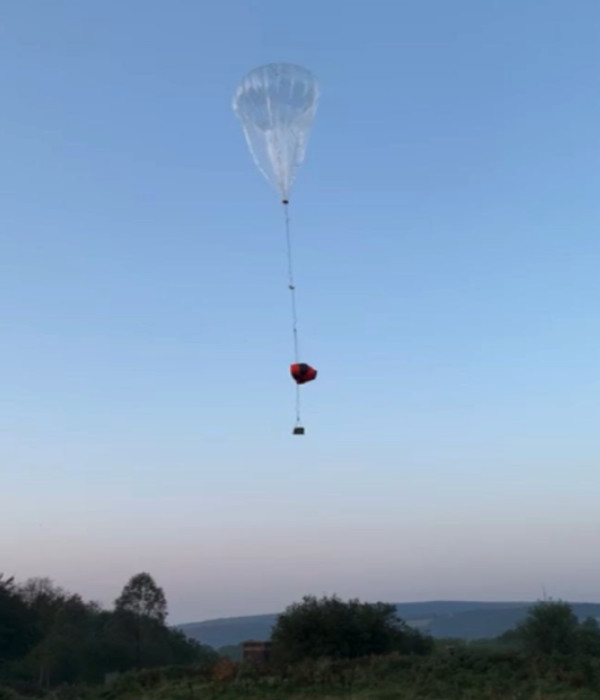
The stratosphere presents extreme conditions that share similarities with the in-orbit environment, e.g., near-vacuum conditions, big temperature gradients, and high radiation levels. Testing in near-space allows customers to qualify and validate technology in a cost-effective manner, while performing in-flight demonstration or proof of concept flights.
Flight characteristics:
- Cruise altitudes from 18 to 40 km
- Length of missions from 2 to 24 hours (increasing to 14 days in 2021, and to 3 months in 2022)
- Availability to launch from multiple locations, all year round
- Payload pick-up pre-flight and return to customer post-flight
- Payload weight up to 20 kg (increasing to 100 kg in 2021)
- Payload electrical power, real-time telemetry and images available on demand
- Support for preparation of bespoke missions (drop tests, materials characterization, mission simulations)
- Standard interfaces for simplified payload integration
- Possibility to perform ride-share flights with other payloads, thanks to structural modularity, providing cost-savings
Disclaimer: satsearch is not responsible for any mistakes on this page, although we do our best to ensure correctness. Please report any mistakes to us.
Last updated: 2024-11-19
Near Space Testing
Export

