
 Earth sensors and horizon sensors > Earth Horizon Sensor
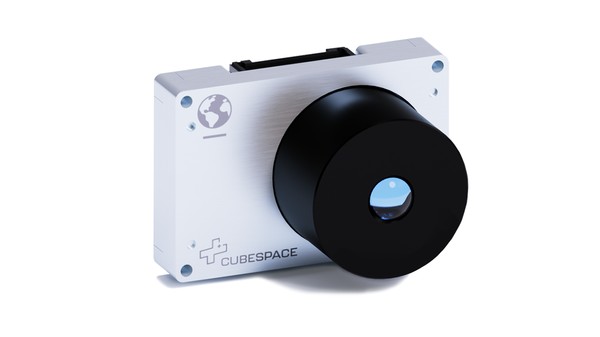

Key highlights
A compact and reliable infrared earth horizon sensor that provides high-accuracy nadir determination throughout the entire orbit. This allows for accurate satellite control in eclipse without the need for a star tracker, making it a less expensive alternative. The Horizon Sensor is verified with our infrared lens calibration and earth emulator jig, which is an innovative in-house test set-up designed and built by CubeSpace (CS) engineers.
Key features
Infrared horizon sensor
Integrated processor for reduced ADCS computer processing demand
Common node design
Shared electronic design and heritage across Gen2 product range
Random Vibration: 14.16 gRMS
Radiation: 24kRad
Lifetime: 5+ Years
Testing & qualification
Our satellite subsystems’ manufacturing, assembly, integration, and testing adhere to international space standards. We design these subsystems with carefully selected components and subject them to rigorous testing under ESA’s ECSS and NASA’s GEVS standards, including radiation, vibration, shock, and thermal vacuum tests. Utilising in-house test equipment enables us to validate product performance efficiently and cost-effectively, ensuring reliable and high-quality products and services for our ambitious partners.
Disclaimer: satsearch is not responsible for any mistakes on this page, although we do our best to ensure correctness. Please report any mistakes to us.
Last updated: 2025-10-08


Technical specs
200 mW (average)
UART
RS485
I2C
Export

